
Tree Service in Williamson County, TX
Local Tree Service Expertise
Across Williamson County, TX—from the rolling oak-filled neighborhoods of Cedar Park to the established subdivisions near Round Rock—mature trees face mounting pressure from oak wilt, storm damage, cedar encroachment, and development. Our arborist service | Williamson County, TX team diagnoses problems early, removes hazardous limbs before storms hit, and protects heritage oaks that define your property's character. Whether you're in Leander's Hill Country edge, Georgetown's riverside neighborhoods, or Liberty Hill's larger estates, we handle the unique demands of Central Texas tree care with precision and local knowledge.
How We Work
A clear process from diagnosis through cleanup ensures your property stays safe and your trees stay healthy.
Our Service Steps
Every project starts with an honest assessment and ends with your landscape restored.
Assess
We inspect for disease, dead wood, storm damage, and structural weakness. Photographs and observations guide our recommendation—removal, pruning, treatment, or monitoring.
Plan
We explain options, address HOA or permitting needs (especially in Cedar Park and Round Rock), and give you clear pricing upfront—no surprises later.
Perform
Certified arborists use proper techniques, disinfect tools between trees (essential for oak wilt control), and follow all local ordinances during work.
Cleanup
Debris haul-away, stump grinding, and site restoration leave your yard clean and ready. All equipment is removed and equipment tracks raked smooth.
You'll know exactly what happens next—and why.
Our Services
Every service protects your landscape and keeps your property safe through Central Texas weather.
Tree Removal
Dead, diseased, storm-damaged, or hazardous trees are safely brought down using rigging, crane access, and proper lowering. Especially valuable in dense neighborhoods like Brushy Creek where trees overhang fences and structures.
- Large tree specialists with equipment for tight spaces
- Stump grinding included; debris hauled away
- Permitting handled for protected/heritage trees
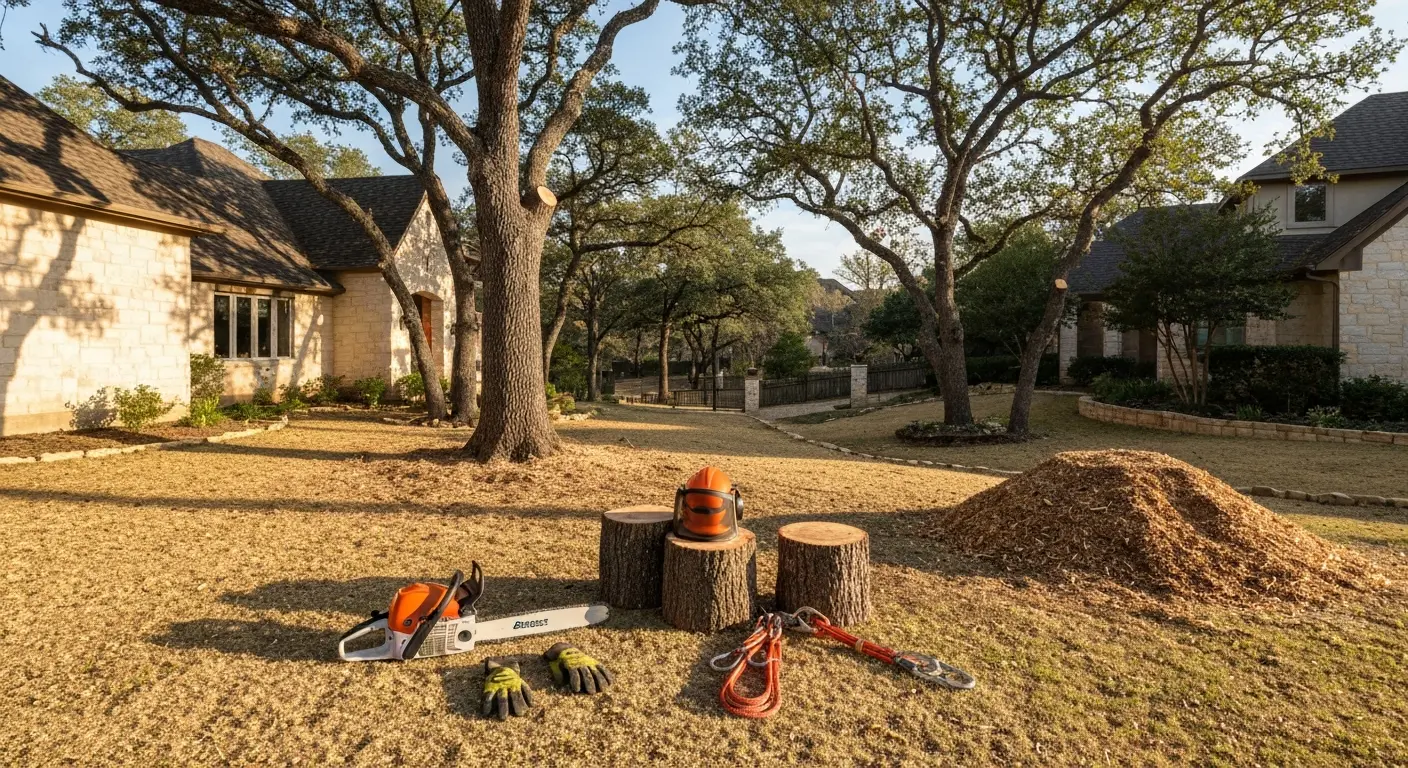
Safe removal in Cedar Park and Round Rock neighborhoods with mature oak canopies.
Tree Trimming & Pruning
Selective pruning improves tree health, reduces disease pressure, and lifts lower limbs away from roofs or power lines. Critical for live oaks and cedar elms that dominate Georgetown and Liberty Hill properties.
- Follows ANSI A300 standards and local oak wilt windows
- Tool sterilization between trees to prevent disease spread
- Deep crown cleaning removes dead wood and promotes airflow
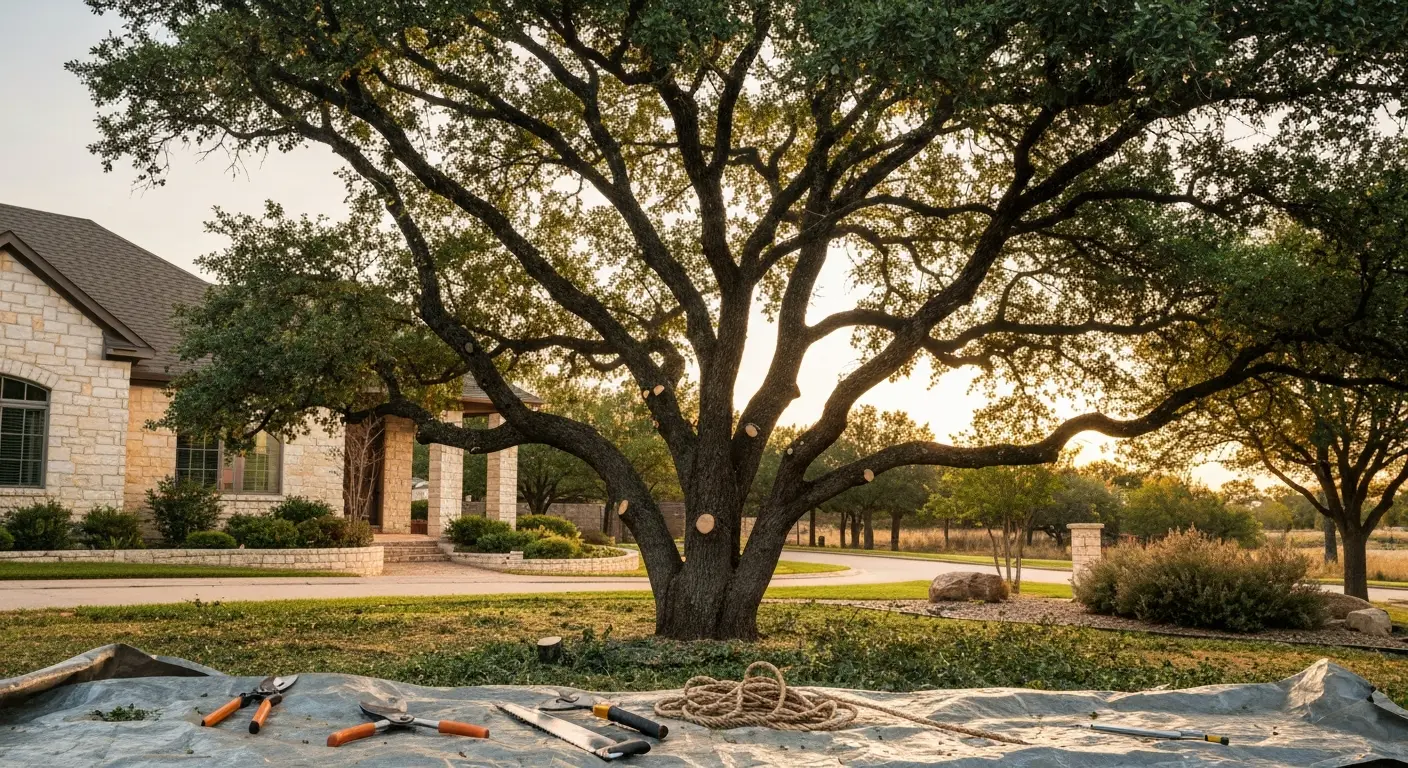
Certified pruning protects heritage oaks in Forest Creek and Teravista neighborhoods.
Oak Wilt Treatment & Prevention
Oak wilt devastates live oak populations through interconnected root systems—especially in neighborhoods where mature trees share root grafts. Preventive fungicide injections and proper pruning windows protect your investment.
- Texas Oak Wilt certified arborists with proper protocols
- Trenching to sever root connections from infected neighbors
- Preventive injections for high-value heritage oaks
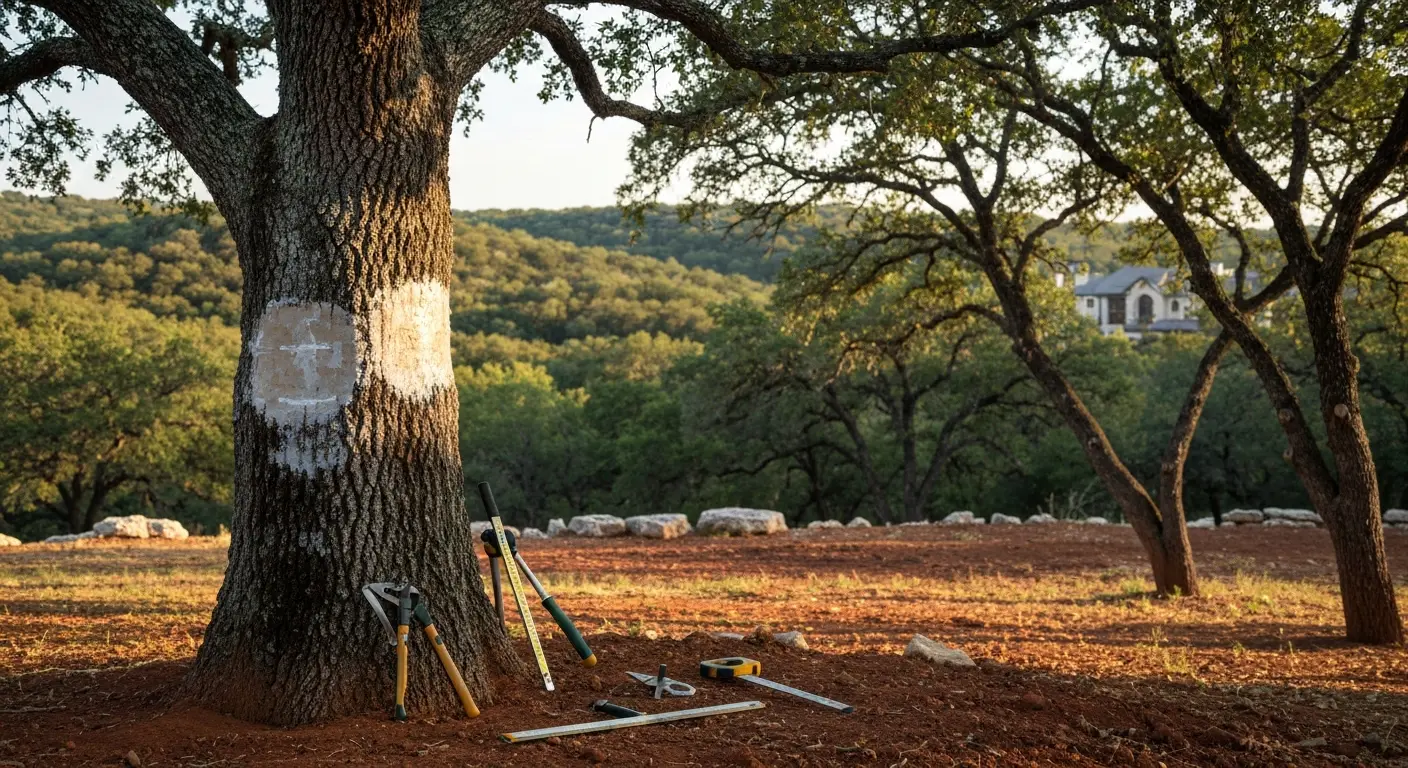
Preventive care saves heritage oaks in Anderson Mill and Brushy Creek.
Emergency Storm Cleanup
High winds snap branches and topple weakened trees across Williamson County properties. Fast response removes hazards, clears debris, and assesses damage to remaining canopy before secondary storms arrive.
- Available for same-day assessment and hazard removal
- Debris chipping and hauling; site restoration
- Wound sealing and immediate treatment to prevent disease
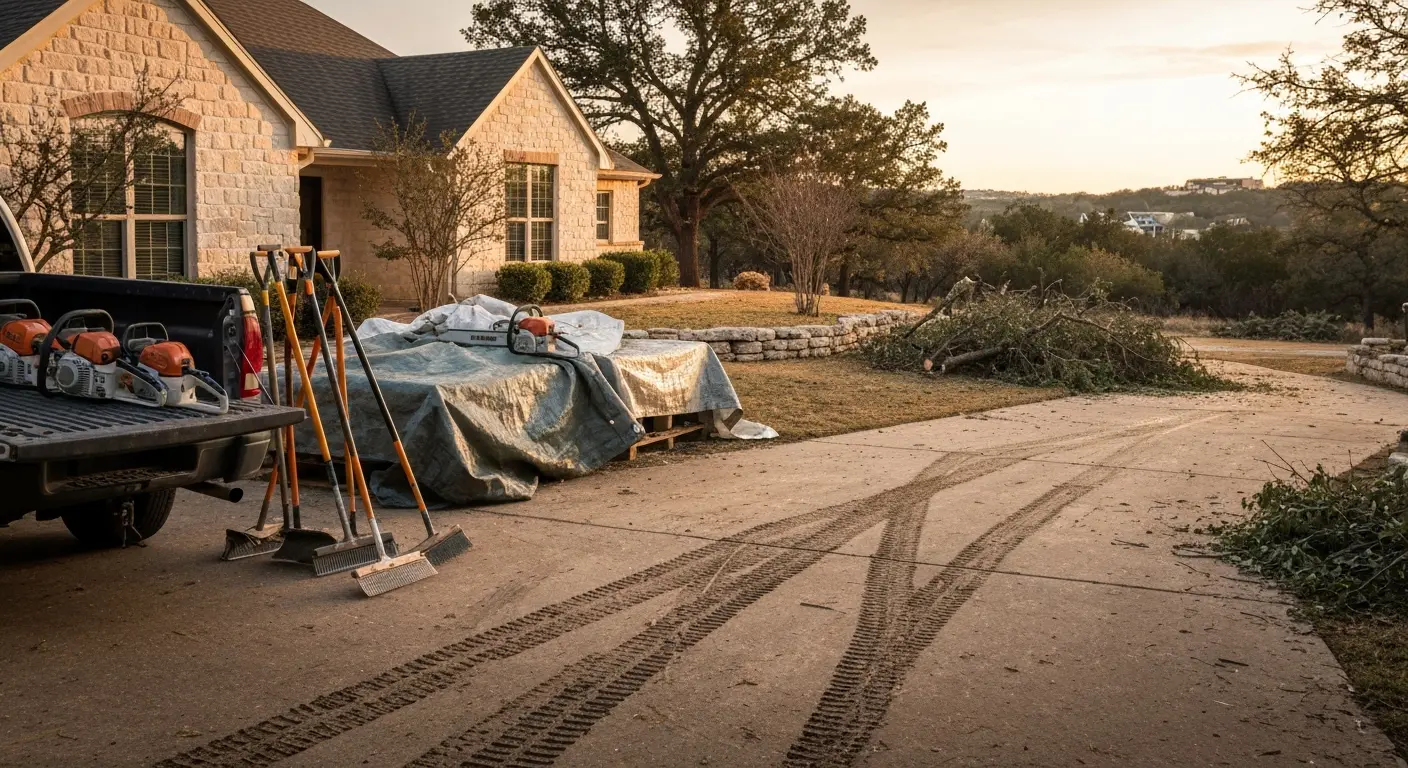
Swift response to ice and storm damage across Round Rock and Leander.
Cedar Removal & Land Clearing
Ashe juniper (cedar) dominates Williamson County terrain, competing with native oaks and draining water during droughts. Selective removal restores balance and improves fire resistance on larger properties.
- Forestry mulching for acreage and dense stands
- Property restoration and erosion control
- Habitat improvement for native tree species
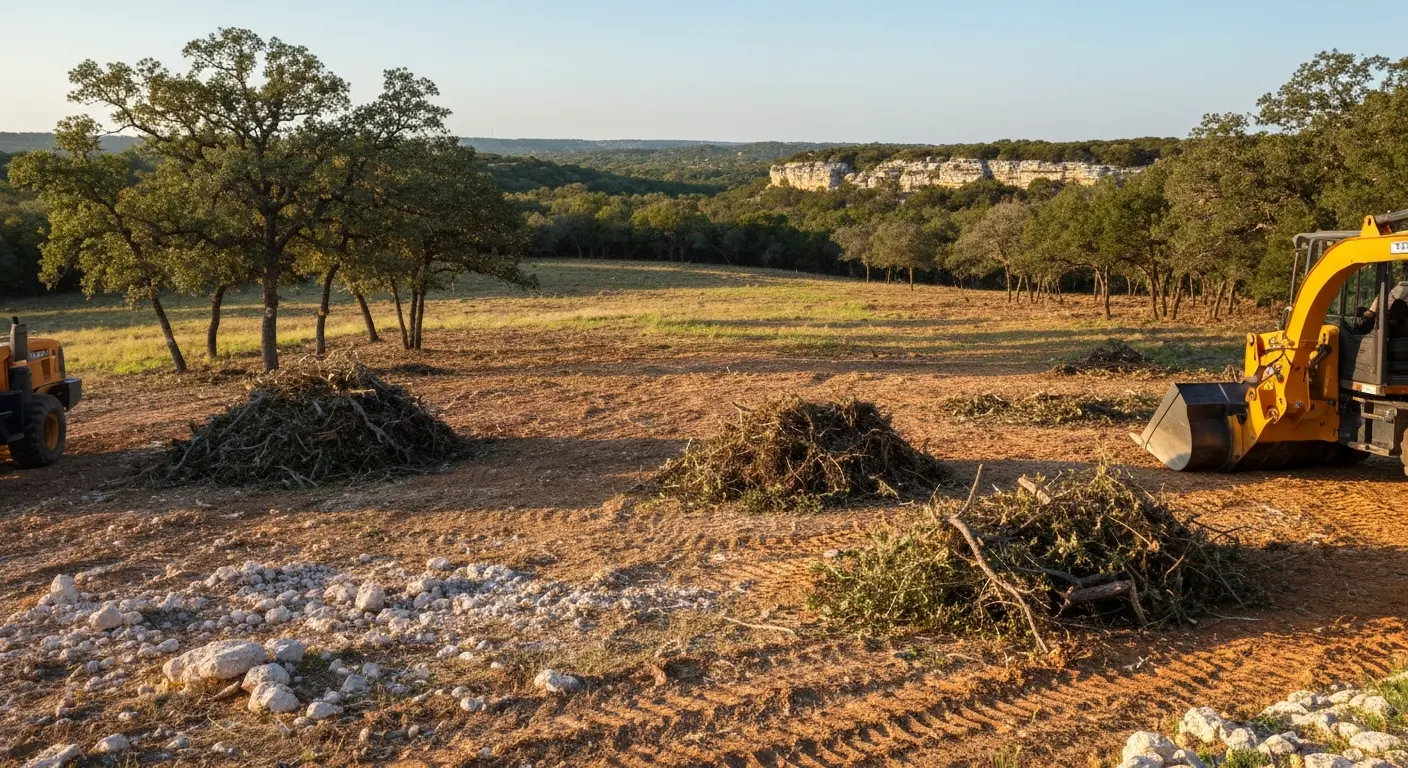
Land clearing in Hill Country portions of Leander and Liberty Hill.
Why Local Expertise Matters in Williamson County
Williamson County spans two distinct landscapes: the Edwards Plateau to the west with rocky Hill Country terrain and live oaks, and the Blackland Prairie to the east with richer soils and cedar elm dominance. Each zone poses different challenges.
Oak Wilt Risk: Mature oak neighborhoods share root connections underground. One infected tree can kill every oak on your property if root grafts aren't severed. Neighborhoods like Heritage Park, Anderson Mill, and Forest Creek require proactive management.
Cedar Encroachment
Ashe juniper dominates disturbed lots and outcompetes heritage oaks for water. A single cedar can drink 40 gallons per day from soil during droughts, starving surrounding trees. Cedar removal protects your remaining canopy and improves native tree survival.
Storm Vulnerability
Central Texas experiences powerful spring and summer storms. Weak branches and topped trees fail catastrophically. Proper crown management reduces failure risk and keeps limbs away from homes, power lines, and vehicles in neighborhoods throughout Round Rock and Cedar Park.
Permitting & Compliance
Cedar Park, Round Rock, and Georgetown protect heritage and regulated trees with strict ordinances. HOAs like Avery Ranch and Buttercup Creek require architectural approval before removal. Violations can trigger fines and forced restoration. We navigate these rules so you stay compliant.
Certified arborists understand local soil, climate, disease patterns, and regulations. This keeps your landscape safe, valuable, and compliant.
Coverage Across Williamson County
We serve residential and commercial properties across the entire county.
Cedar Park & Leander
Oak-lined neighborhoods with HOA requirements. We handle Avery Ranch, Buttercup Creek, Anderson Mill, Twin Creeks, and scenic Hill Country properties.
Round Rock
Forest Creek, Teravista, Brushy Creek, and established neighborhoods with mature canopies and strict tree ordinances.
Georgetown & Liberty Hill
Historic riverfront neighborhoods and newer master-planned communities with larger lots and complex tree canopies.
Reaching You Across the County
Our team covers Williamson County from our central location, serving tree service and arborist needs across all major cities and neighborhoods. No job is too far or too complex.
Why Choose Us
ISA Certified Arborists
Our team holds ISA Certified Arborist credentials, TRAQ risk assessment qualifications, and Texas Oak Wilt certifications. We diagnose problems using science, not guesses.
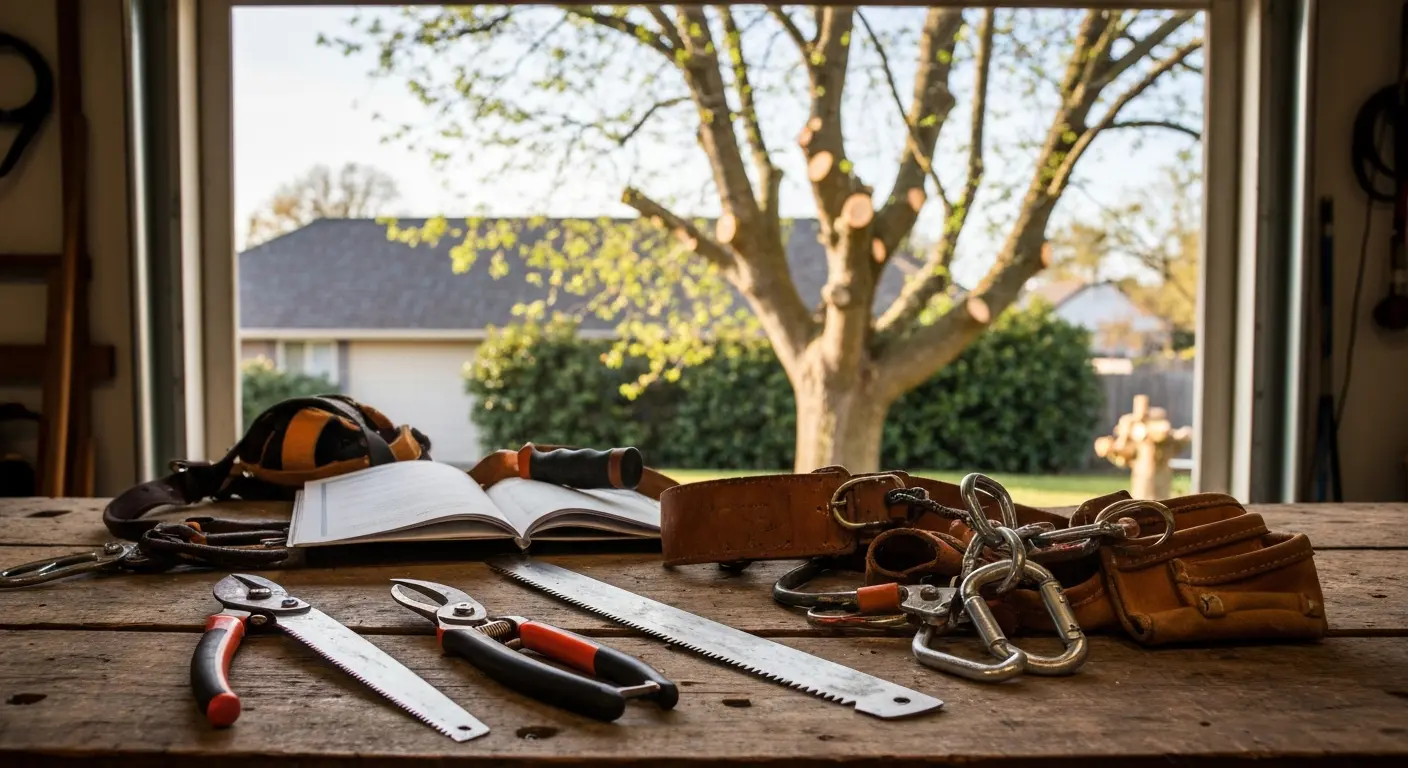
Professional certification ensures compliant, science-based care.
Local Knowledge
We know Williamson County's soils, climate zones, tree species strengths and weaknesses, HOA rules, and permitting requirements. This saves time and prevents costly mistakes.

We understand the unique landscape challenges of Central Texas.
Transparent Pricing
You receive a clear, detailed estimate before we start work. No hidden fees. All labor, equipment, and cleanup are spelled out in advance.

Honest quotes and transparent service agreements.
Frequently Asked Questions
Do I need a permit to remove a tree in Williamson County?
Permitting requirements vary by city. Round Rock, Cedar Park, Georgetown, and incorporated Williamson County areas protect heritage and regulated trees (usually 19+ inches diameter). We assess your tree's size and location, then handle all permitting on your behalf. Unincorporated areas may have fewer restrictions, but HOAs often require approval.
When can I prune oak trees in Williamson County?
The oak wilt window runs February 1 through June 30. During these months, avoid pruning oaks unless it's an emergency. Nitidulid beetles carry oak wilt fungus between fresh cuts. If emergency cuts are necessary, we seal wounds immediately with pruning sealer. July through January is safe for routine oak pruning.
What is oak wilt and how do I protect my oaks?
Oak wilt is a fungal disease that kills live oaks by clogging water-conducting vessels. Trees die because neighboring oaks share root grafts underground—a disease spreads through the network. Protect oaks by avoiding pruning during the beetle season, sealing all oak wounds immediately, scheduling preventive fungicide injections for high-value trees, and hiring ISA certified arborists for any pruning or removal.
Do HOAs in Cedar Park and Round Rock neighborhoods require tree removal approval?
Yes. Avery Ranch, Buttercup Creek, Anderson Mill, Twin Creeks, Heritage Park, and other Cedar Park HOAs require architectural committee approval before tree removal or major pruning. We handle these submissions and coordinate with HOA leadership, streamlining approval and preventing violation notices.
Why should I remove cedar trees if they're native to Texas?
Ashe juniper (called cedar) is native but invasive in urban settings. It outcompetes oaks and other heritage trees for water, growing aggressively on disturbed lots. Removing cedar frees resources for your heritage oaks, improves fire resistance on larger properties, and restores native plant diversity. This is especially valuable on Leander and Liberty Hill acreage.
What are the soil and water challenges for trees in Williamson County?
West of the Balcones Escarpment, rocky Hill Country soils hold less water and sit atop limestone. East of the Escarpment, Blackland Prairie soils are richer but compacted by development. Central Texas heat and unpredictable rainfall stress trees. Proper tree selection, watering, mulching, and disease prevention (especially oak wilt management) help trees survive droughts and extreme weather.
DISCOVER WHAT OUR CUSTOMERS HAVE TO SAY ABOUT US
REVIEWS
proudly serving these areas
Austin, TX
Dripping Springs, TX
Georgetown, TX
Spicewood, TX
Wimberley, TX
Lakeway, TX
Cedar Park, TX
Liberty Hill, TX
READY TO take the next step?
get a free quote TODAY!
QUICK LINKS
our services
service areas
operating HOURS
Mon: 6:00 am - 9:00 pm
Tue: 6:00 am - 9:00 pm
Wed: 6:00 am - 9:00 pm
Thu: 6:00 am - 9:00 pm
Fri: 6:00 am - 9:00 pm
Sat: 6:00 am - 9:00 pm
Sun: -- - --